All Blog Articles

Photo: Wilfredo Nunez

General

Impact of Storms on Trees

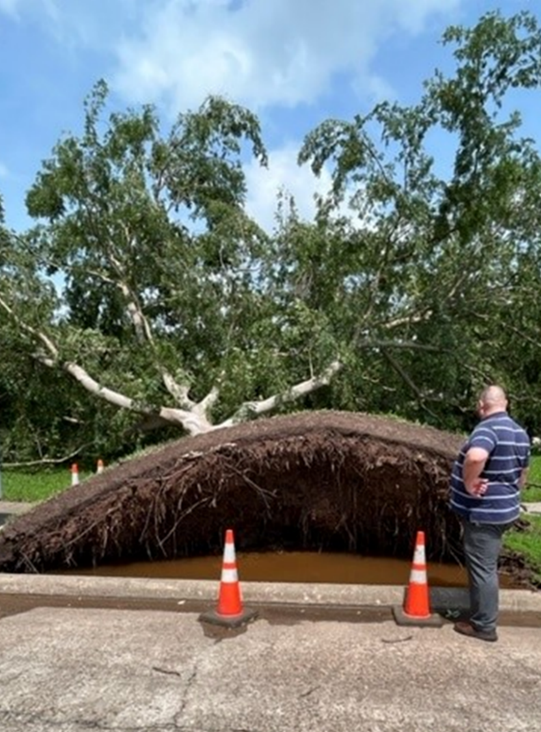
    Hurricane Beryl hit Texas in July 2024 with only a few days warning of its final track. Based on data from previous hurricanes, a Category 1 hurricane is expected to have devastating effects on trees, particularly trees in urban areas. There were specific factors associated with Hurricane Beryl, such as the fact that Houston and parts of southeast Texas were on the “dirty” side of the storm resulting in excessive rainfall and wind damage, which exacerbated the tree damage associated with a hurricane of this magnitude. Wind gusts of over 90 mph were reported, making the windspeeds of Beryl comparable to Hurricane Ike.

Read More

General

Follow These Best Practices When Hiring An Arborist

Everyone who owns a property with trees eventually may need to employ the services of an arborist.  An arborist is a specialist who is trained in the art and science of maintaining trees.  Qualified arborists have either a degree in the plant sciences and/or are certified by the International Society of Arboriculture.  Trees contribute significantly to the value of a property.  Because trees appreciate in value, it is important that this investment is properly managed.  Improperly maintained trees can reduce the longevity of this investment and even result in a liability to your property.  

Read More

Impact of 2011 drought on trees

General

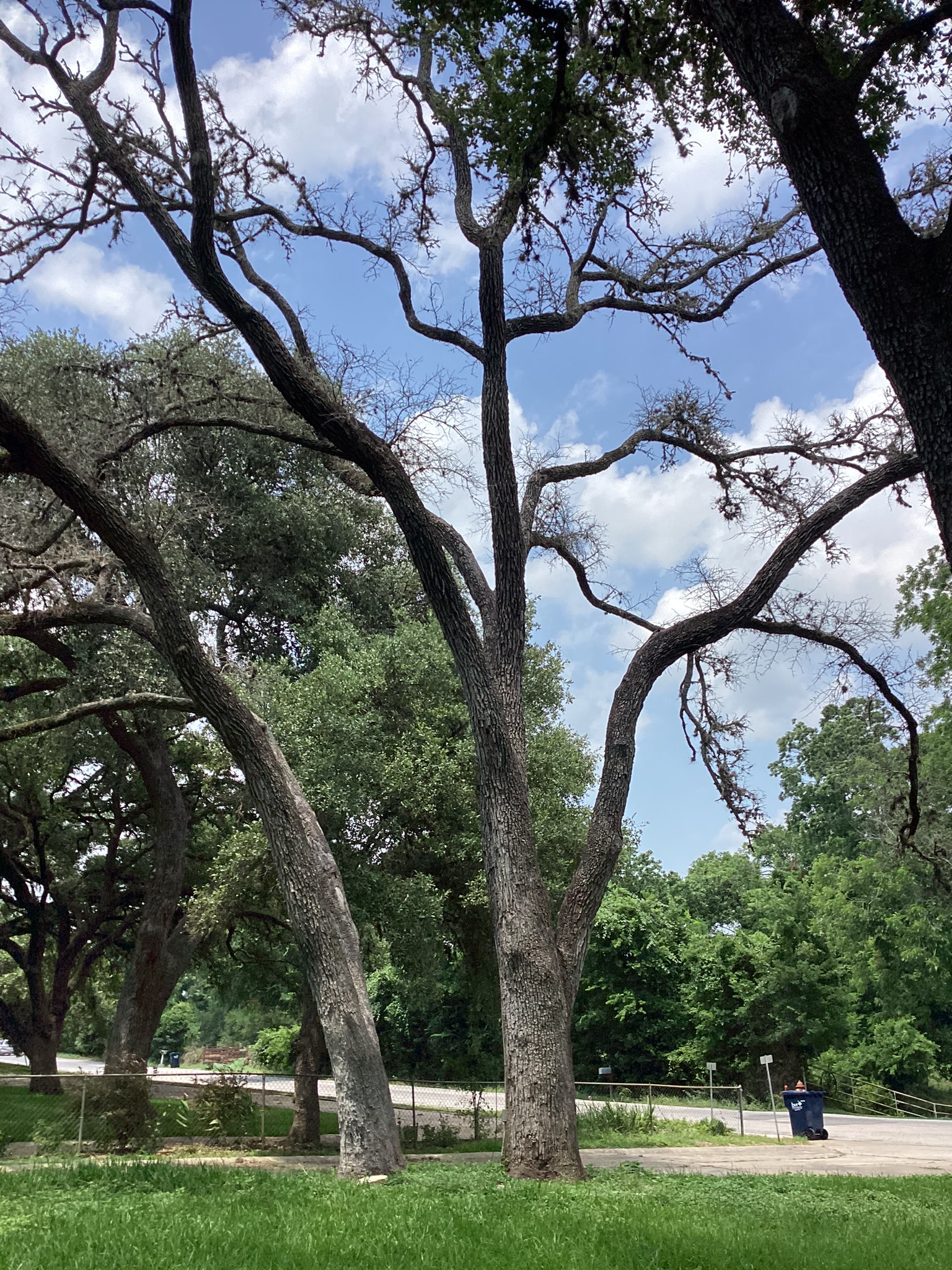
Help For Drought Damaged Trees

Over the last three years, the Southeast Texas area has witnessed a substantial drought throughout the summer months.  Drought-related stress has taken its toll on many valuable trees, which are difficult and expensive to replace.  Like humans, trees can suffer from heat stroke.  Intense heat and low humidity increase a tree’s demand for water.  Lack of soil moisture can lead to a cascade of events that, depending on the duration of the drought and other stresses, can cause serious tree health problems.  

Read More

conks

General

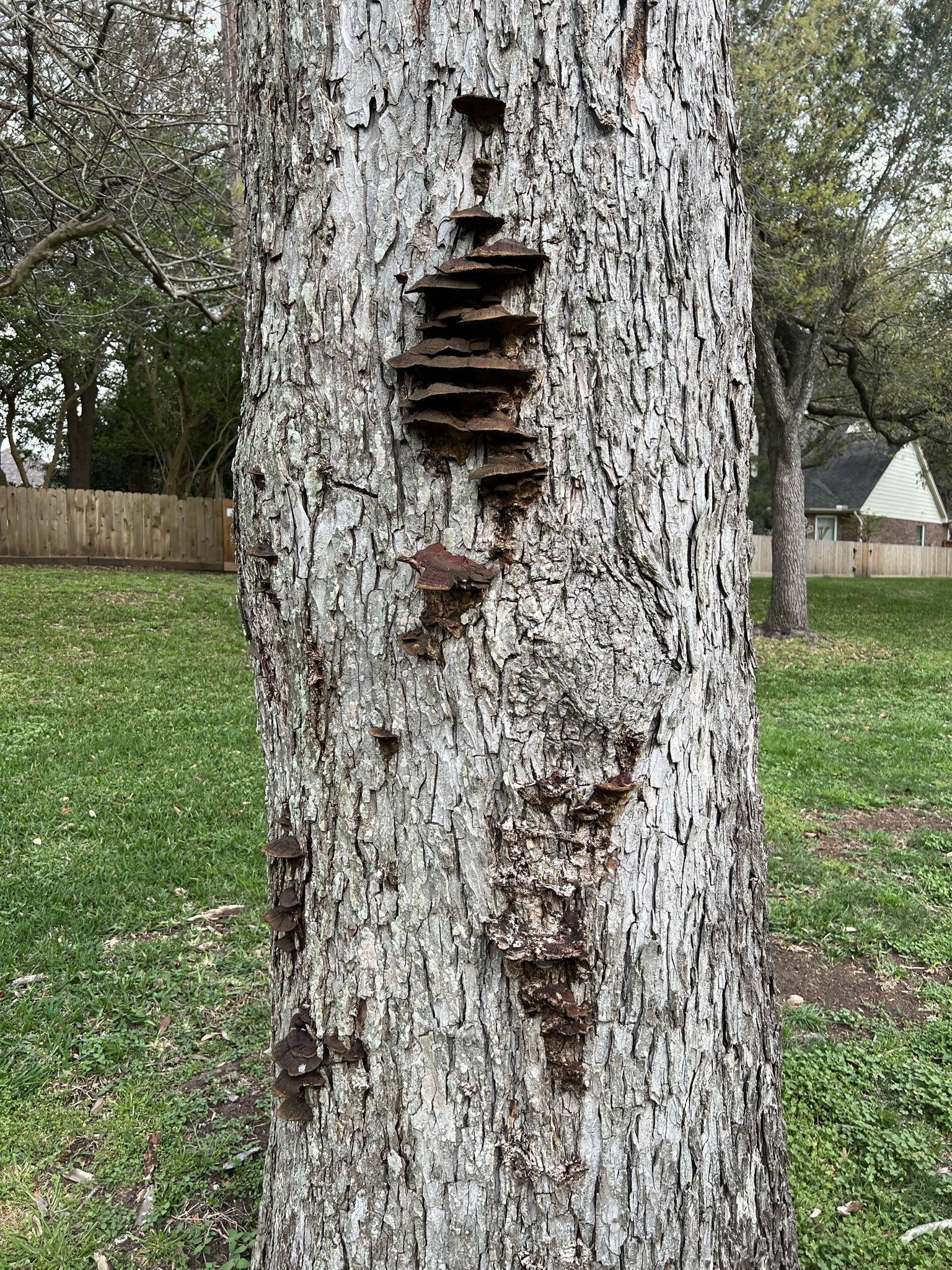
Hazardous Trees

Trees have two components that are necessary for survival: adequate physiological health and structural integrity.  Although poor tree vigor can indicate underlying structural problems, many trees that appear vigorous and healthy can also be structurally unstable.  Only the outer one to three inches of wood around the circumference of the tree is responsible for the upward movement of water and nutrients and the downward movement of carbohydrates and other compounds.  Most of the inner wood of a tree is dead tissue that adds to the structural strength of the tree.  If enough of this wood is decayed, the strength of the tree is reduced.  

Read More

Unprotected trees during construction

General

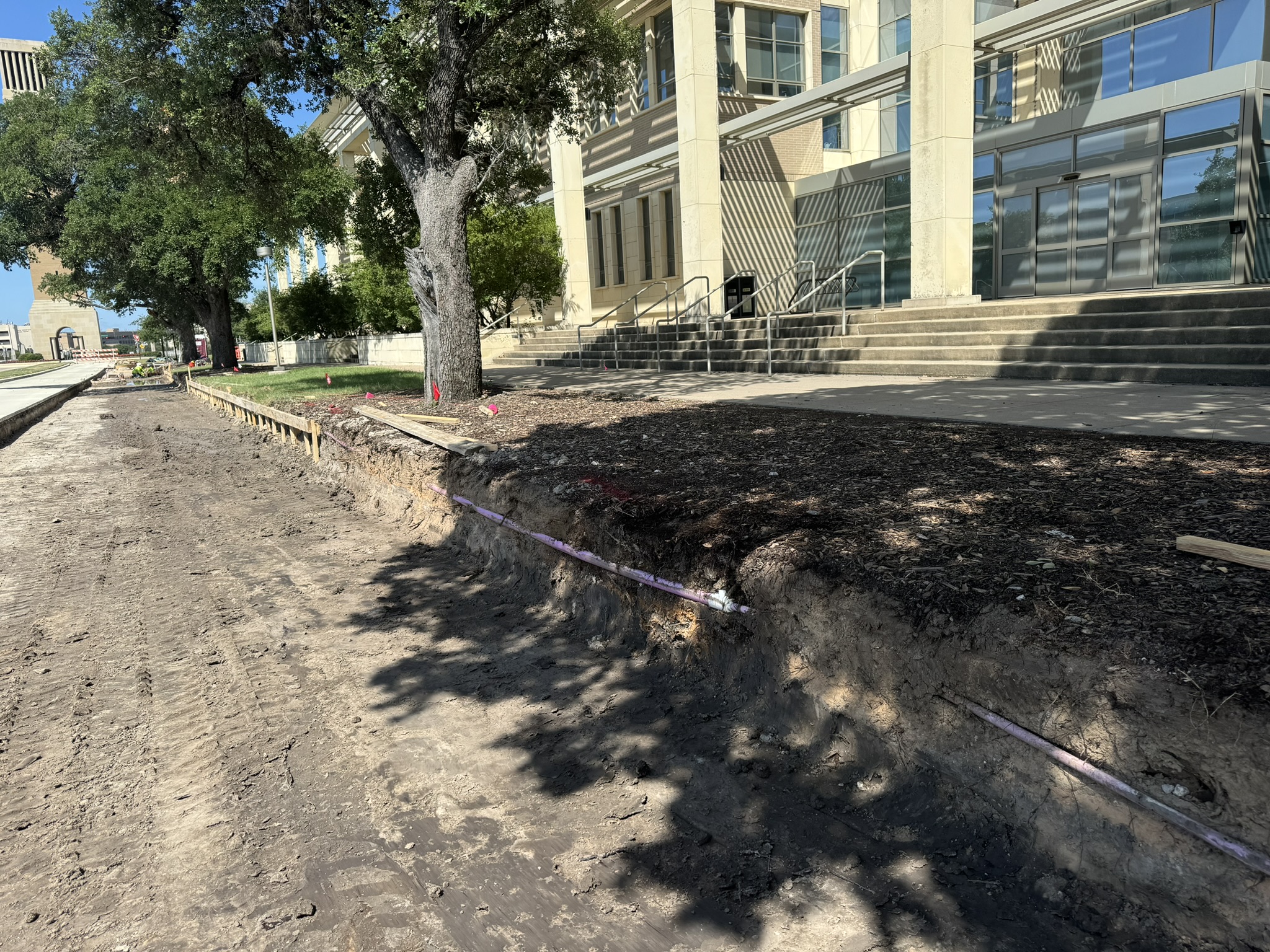
Managing Construction Related Stress to Trees

Mature, healthy trees contribute significantly to the beauty and value of a home.  In fact, numerous studies have demonstrated that trees are one of the major factors affecting a potential homeowners decision when purchasing a property.  It is for these reasons that considerable effort is placed on preserving trees when constructing a new home.

Read More

General

Armillaria Root Rot

Armillaria root rot (Armillaria sp.) is a disease that affects hundreds of plant species throughout the United States.  It is commonly found on various plants in urban landscapes, which were previously transformed from naturally wooded areas.  Infections are usually sporadic within the landscape and typically occur on stressed plants.  Roots and plants of all sizes can be killed.  The fungus invades the bark and cambial regions of roots and root collars.  Fungal infection progresses from the cambium into the sapwood.

Read More

Lack of foliage increases risk of heat stoke

General

Heat Stroke in Trees

People and animals are not the only creatures that suffer from intense heat.  During periods of extremely high temperatures, such as the temperatures that have recently occurred in Texas, trees can suffer from heat stroke.  High temperatures can severely stress, and many times, kill trees.  Depending on the health, size, and species of the tree combined with the duration of the hot period and the environment surrounding the tree, trees can reach a thermal death threshold at 115ºF.  The problem is even worse for trees with restricted or damaged roots and for trees that are near pavement or are surrounded by bare soil.  The temperature of bare soil can reach 150°F.

Read More

General

Slime Flux

The unsightly seepage of sap seen on tree trunks this time of year is likely a bacterial disease commonly called slime flux or wet wood.  It occurs in apple, birch, elm, maple, mulberry, oak, poplar and willow. This oozing of sap is termed fluxing.  The infected wood is frequently discolored or appears water soaked (wet wood). As fluxing continues, large areas of the bark become soaked.  Grass may be killed where the flux runs down the trunk onto the grass. 

Read More

Tree that was planted too deep and over watered

General

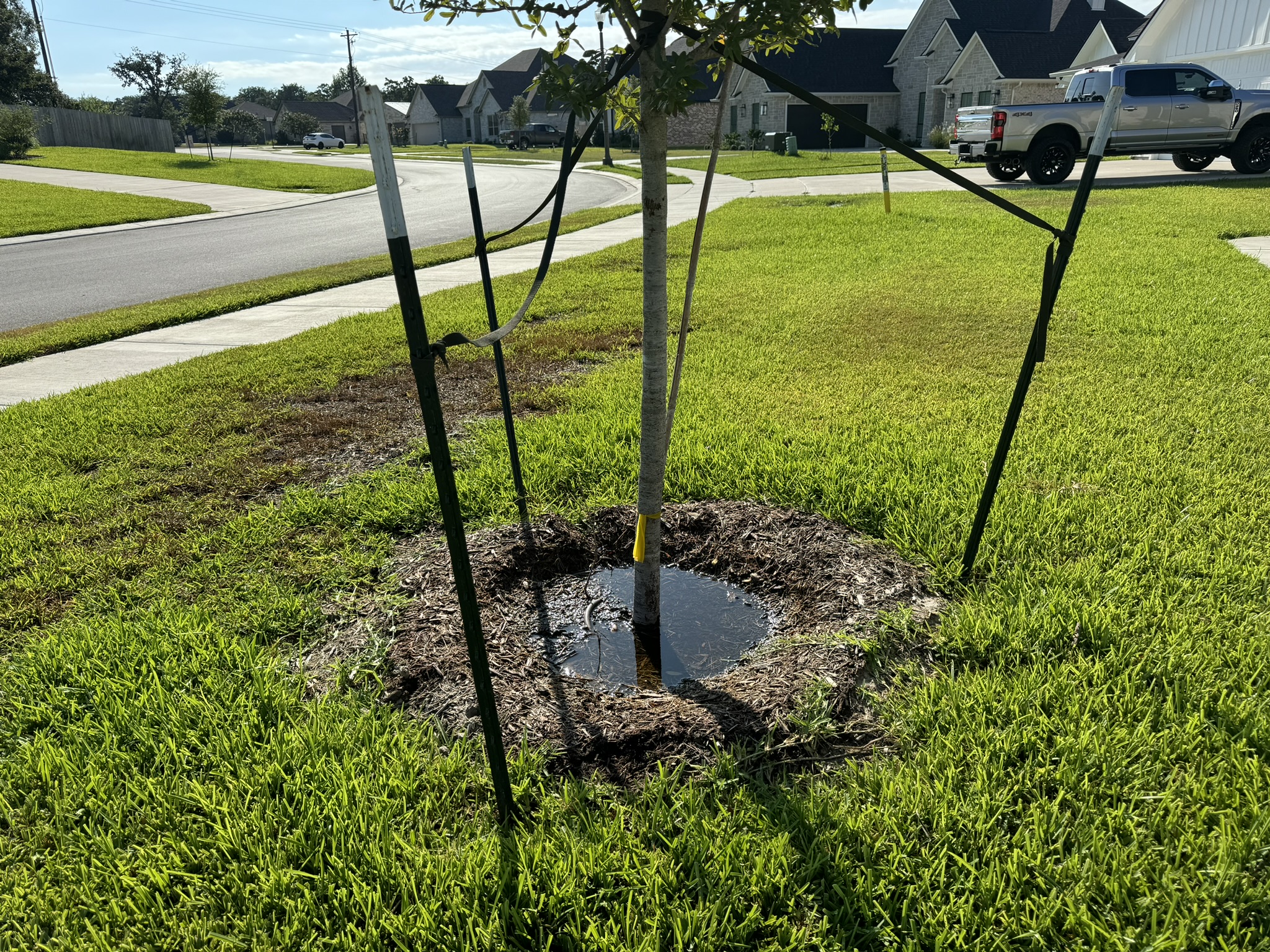
Proper Tree Planting

Fall is the best time of year to plant trees in your landscape.  Proper tree and site selection are critical to the long-term success of your trees.  Large trees will eventually outgrow small planting areas where the root system is restricted.  The trees will eventually begin to decline and die.  Also, soil pH greatly affects the types of trees that can be planted in an area.  Trees that thrive in east Texas will usually not perform well in other areas of the state.  A certified arborist can help you select a tree that is right for your area.

Read More

Mistletoe

General

Mistletoe

True mistletoe (principle kind found in the United States, known as Phoradendron) is a parasite that infects thousands of trees every year.  Mistletoe obtains its water, mineral nutrients, and small amounts of organic compounds carried in sapwood from the stems of woody plants.  Mistletoe develops well in full sunlight high in the crowns of large trees.  These parasitic plants are most visible in the winter when they are actively growing and their host, the tree, is dormant.

Read More

Freeze damage to ornamental tree

General

Winter Injury To Ornamental Plants

Although rare in the Houston area, the winter season can be particularly injurious to ornamental trees and shrubs, particularly if they have been stressed by poor growing conditions or are planted north of their hardiness zone.  Boxwood, camellia, crape myrtle, forsythia, Southern magnolia, mahonia, American holly, pyracantha, and rhododendron are commonly injured in the winter.  Winter injury is a catch-all for various kinds of injury which show up after the winter.  Most so-called winter injury results from low temperatures, winter drying, or sunscald.

Read More

Pruning large dead limbs

General

Reasons for Pruning Trees

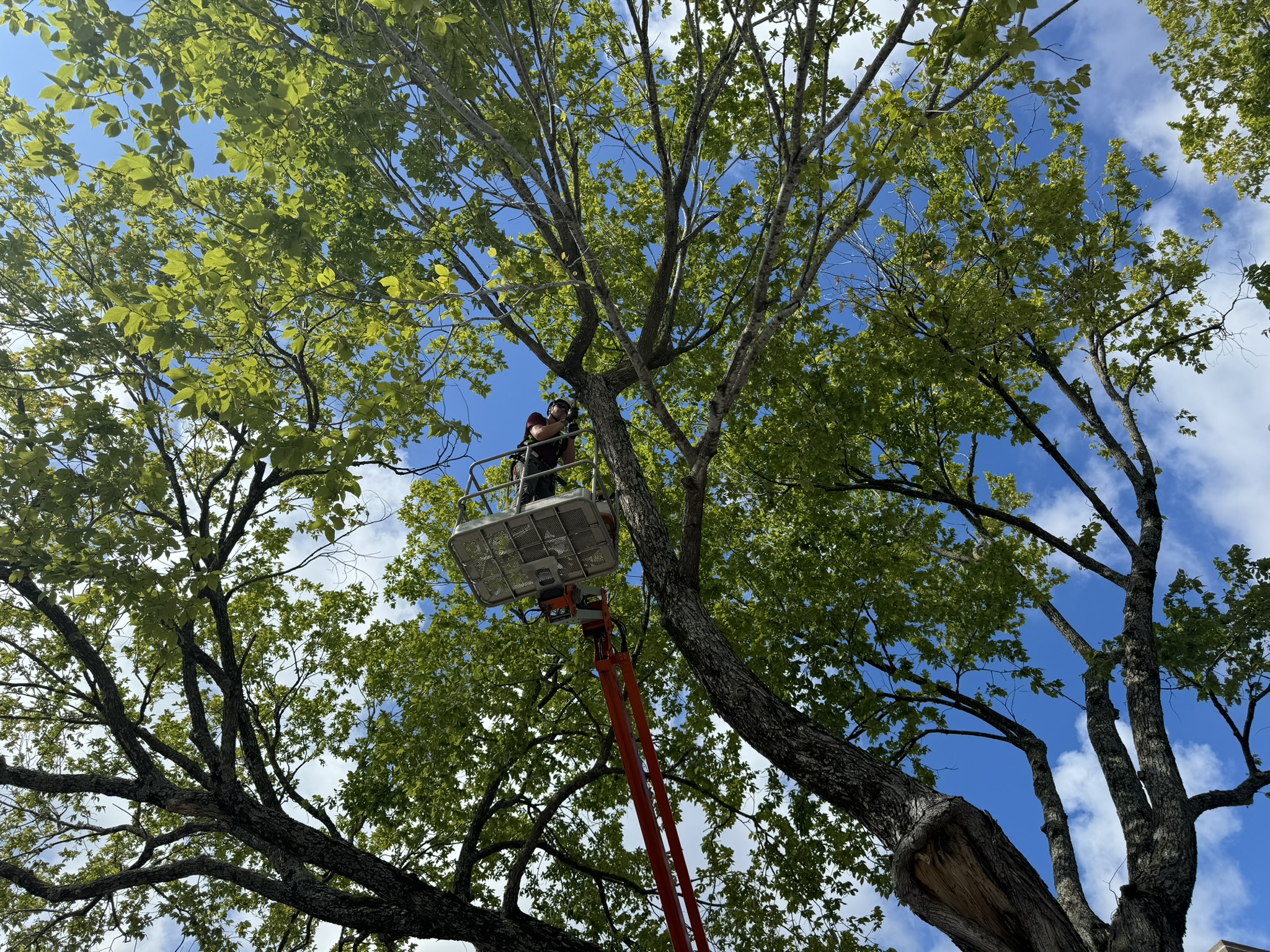
In the Brazos Valley, most trees can be pruned year-round, but if you had to pick the best time to prune trees, it would be during the time of year when trees are most dormant from late fall to early spring.  Pruning is the removal of plant parts for safety reasons and to improve the health and appearance of the tree.  Pruning permanently alters a tree’s direction of growth.  Before making the first cut, have a clear reason to prune the tree.

Read More

This site uses cookies to improve your experience.

By continuing to use our site, you agree to our Privacy Policy and Terms of Use.